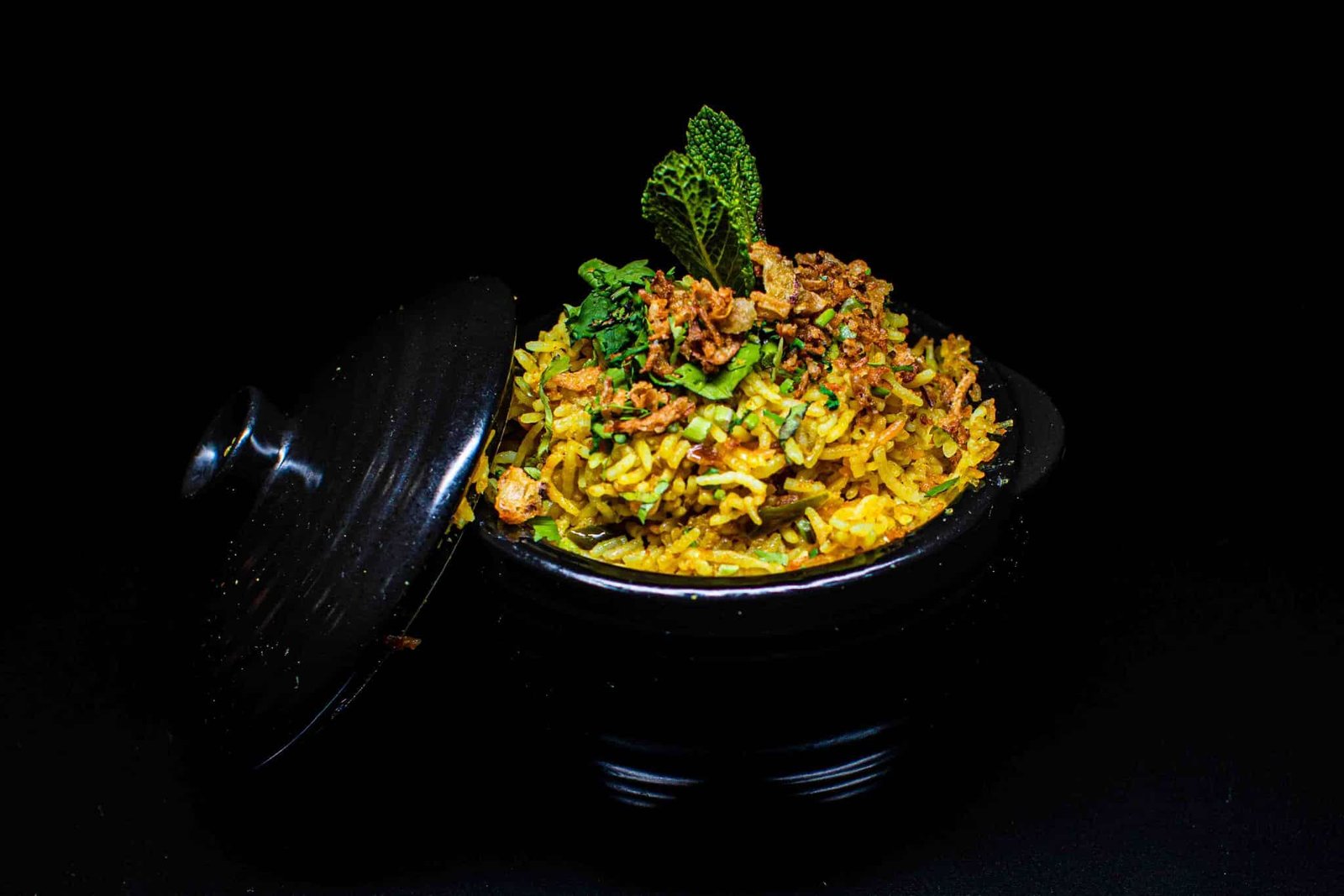
Indian biryani is one of the most beloved dishes across the UK. Loved for its aromatic rice, tender meat, and vibrant spices, it has become a staple on Indian takeaway menus. Whether you’re searching for Indian biryani near me or just curious about its origins, understanding the history, styles, and cooking techniques makes every bite more enjoyable.
Brief History of Indian Biryani
Biryani has a rich history, tracing back to the Mughal era when Persian influences blended with Indian spices. Originally a royal dish, it was designed to be a hearty, flavour-packed meal that could feed large groups while maintaining sophistication. Over time, it spread across India, evolving into regional variations that reflect local tastes and ingredients.
Difference Between North & South Indian Biryani
Not all biryanis are created equal. Regional differences play a big role in flavour and style:
- North Indian Biryani: Usually richer, creamier, and cooked with aromatic ghee, yoghurt, and fried onions. Often includes marinated chicken or lamb with layers of basmati rice.
- South Indian Biryani: Typically spicier and lighter, cooked using the dum method, with distinct herbs like curry leaves and sometimes coconut. Variants like Hyderabadi biryani are famous worldwide.
Knowing these differences helps you choose the right biryani for your taste or takeaway order.
Key Spices Used in Indian Biryani
The magic of biryani comes from its aromatic spices, which are carefully layered to create depth and complexity. Common spices include:
- Cardamom – adds sweet, floral notes
- Cloves – warm, earthy undertones
- Cinnamon – enhances richness
- Saffron – gives colour, fragrance, and subtle sweetness
- Other spices: bay leaves, star anise, black pepper, nutmeg
These spices are blended with rice and meat to deliver the signature flavour that sets biryani apart from regular rice dishes.
Dum Cooking Method Explained Simply
One of the hallmarks of Indian biryani is the dum style of cooking. In this method:
- Raw marinated meat and partially cooked rice are layered in a sealed pot
- The pot is cooked on low heat, allowing steam to circulate inside
- Flavours from the meat, spices, and rice meld perfectly
This slow-cooking technique ensures each grain of rice is infused with rich flavour while keeping the meat tender and juicy. It’s why biryani tastes so much more aromatic than simple rice dishes.
Why Indian Biryani Tastes Different From Rice Dishes
Unlike plain rice dishes, biryani is a layered, spice-infused meal. The combination of marinated meat, long-grain basmati rice, slow cooking, and careful spice layering gives biryani its distinct taste. Every bite is a mix of textures, aromas, and flavour bursts — making it a favourite for takeaway and home meals alike.
Build Your Biryani Experience
Understanding the history, regional differences, key spices, and cooking method adds a new dimension to ordering or making Indian biryani. Whether you enjoy chicken biryani, lamb biryani, Hyderabadi biryani, or veg biryani, this knowledge enhances your appreciation and supports your search for the best Indian biryani near me.